Flooring
Hardwood, Engineered, Vinyl Plank or Tile: Choosing the Right Flooring
By Hudson Home Improvement 5 min read
Flooring is one of the most visible choices in a home and one of the hardest to change later. Here is how the four most common options compare in everyday use.
Solid hardwood
Solid hardwood can be sanded and refinished several times, which is why original floors in older West Chester homes are often worth saving. It reacts to humidity, so it is best in main living areas rather than basements or bathrooms.
Engineered wood
Engineered boards have a real wood surface over a layered core. They are more stable than solid wood when humidity changes and can be installed over more types of subfloor. The thickness of the wear layer decides how many times they can be refinished.
Luxury vinyl plank (LVP)
LVP is waterproof, durable and comes in convincing wood looks. It suits kitchens, basements and busy family homes. Quality varies a lot, so look at the wear layer and the core construction, and not only the photo on the box.
Tile and stone
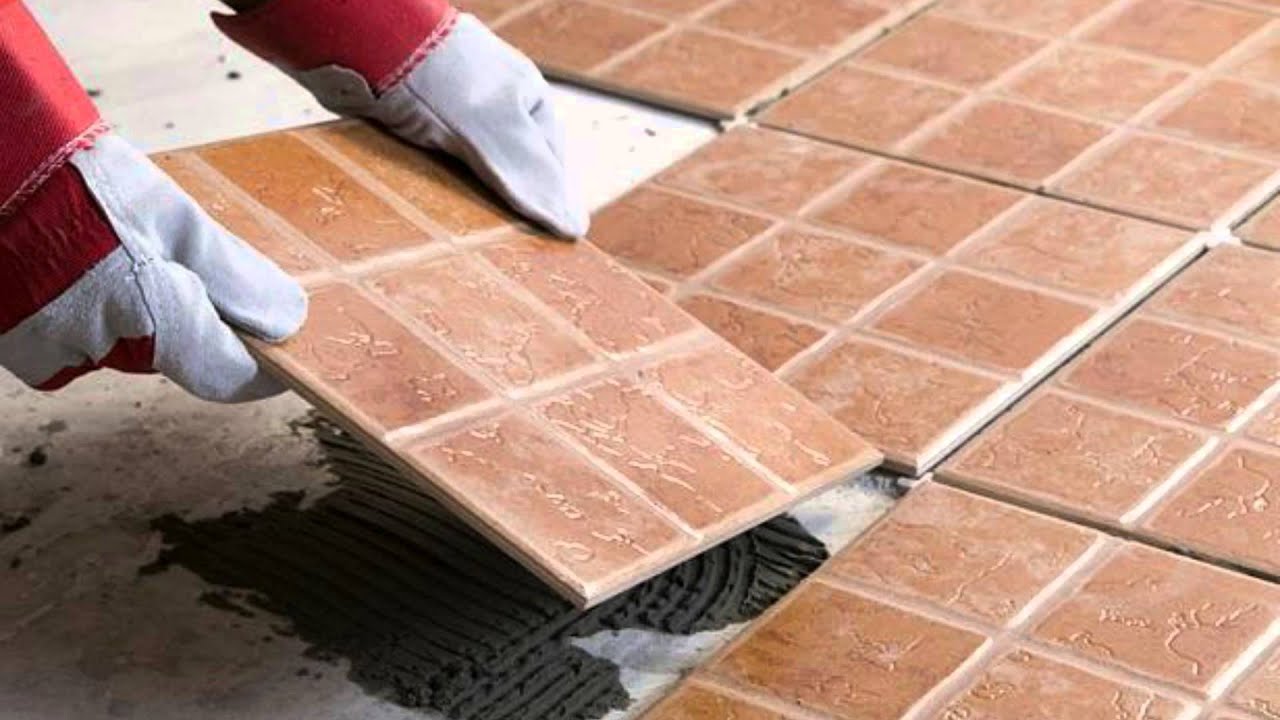
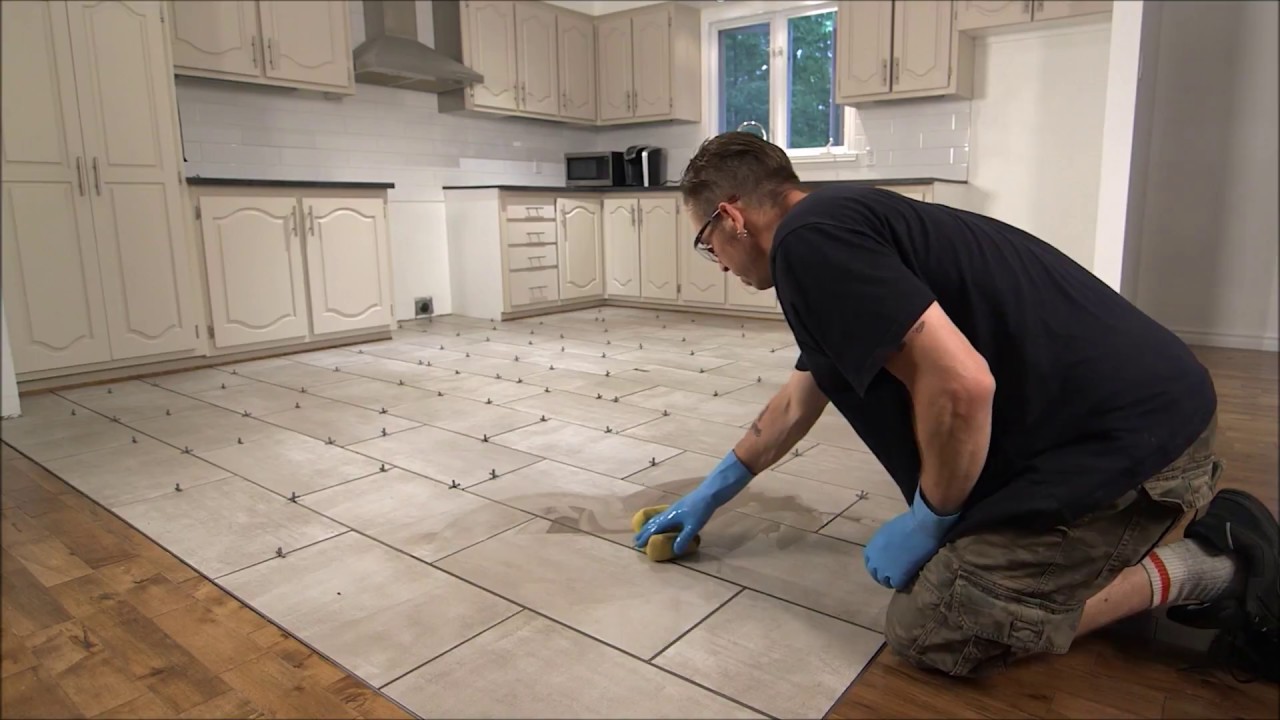
Tile is the standard for bathrooms and a strong choice for kitchens and entries. It lasts, but it needs a flat, rigid substrate and proper waterproofing in wet rooms. Large formats look clean but demand a very level floor.
The subfloor decides everything
A floor is only as good as what is under it. We check for flatness, moisture and loose boards before any material goes down. Fixing a squeaky or uneven subfloor first is far cheaper than redoing a finished floor.
- Let wood acclimate to the house before installing.
- Check moisture in basements and slab floors.
- Plan transitions between rooms so heights match.
- Protect new floors from other trades until the project is finished.
Matching the floor to the room
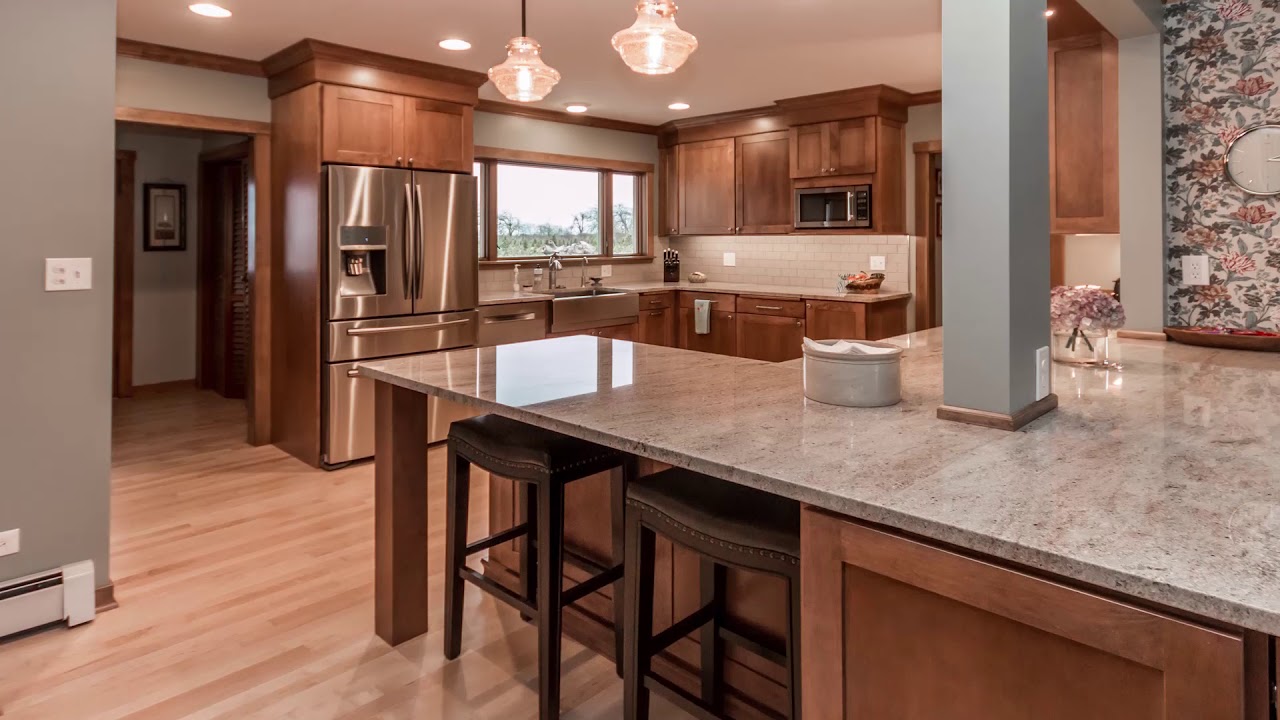
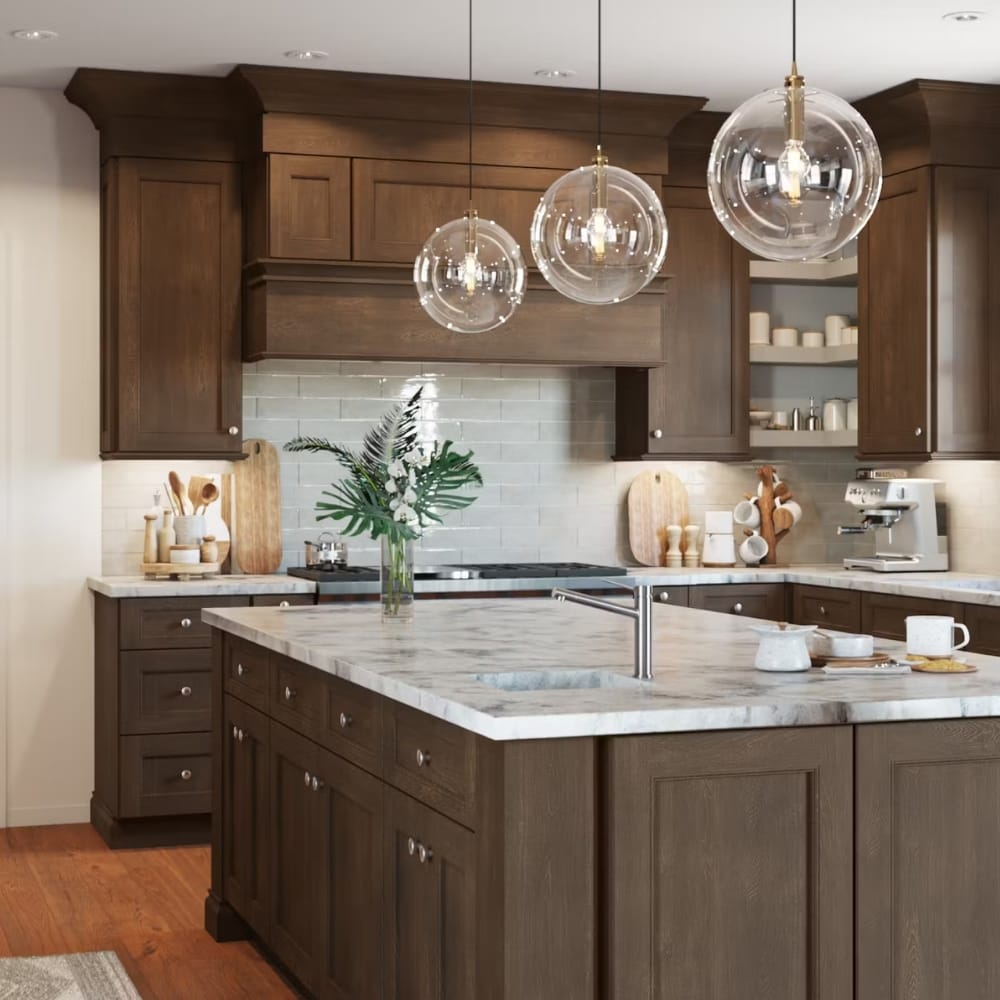
Use tile or LVP where water is likely, engineered or solid wood where you want warmth, and keep the look consistent across open spaces. If you are renovating a kitchen as well, installing flooring through the whole space avoids awkward seams.
Get a flooring plan
See our flooring page or book a consultation. We will look at your subfloor, discuss how the rooms are used and recommend an option that fits.
Frequently asked questions
Sometimes. The existing floor must be flat, clean and stable. We assess it on site before recommending an approach.